
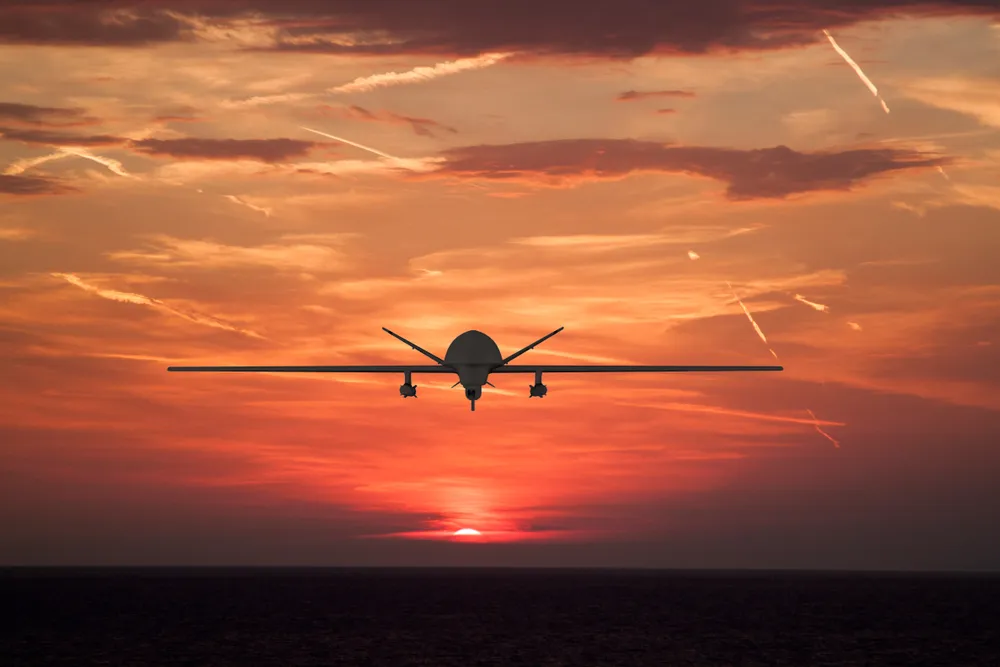
Any moving vessel, whether piloted by a human or avionics systems, depends on three important factors: precision, velocity, and balance. This is especially true of complex vehicles such as airplanes, autonomous vehicles, and unmanned aerial vehicles. Even when conditions are imperfect, you need inertial navigation systems that can provide perfect navigation. Continue reading to discover four interesting facts about inertial navigation systems that you may not already know.
Read More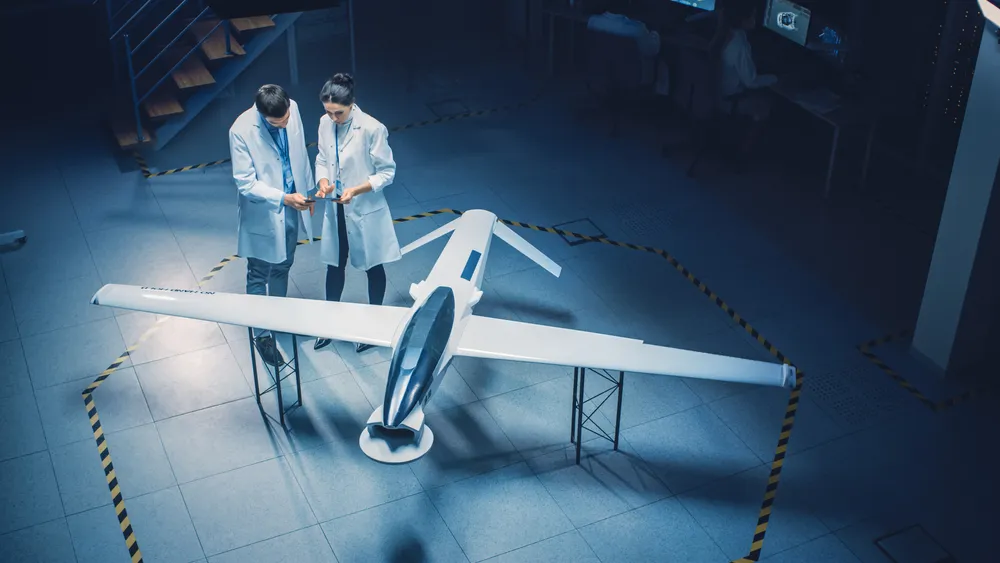
GNC is a critical component of autonomous systems engineering. Even unmanned aerial vehicles can travel to target locations in a GPS denied environment with pinpoint precision thanks to the technological capabilities of GNC and avionics engineering. But, what is GNC and how does it power autonomous piloting? Below, we go into greater detail about the three components of GNC engineering and how it affects avionics systems.
Read More
When GPS is denied or spoofed, navigational systems can become highly inaccurate without the assistance of an inertial navigation system. For over 25 years, ASEI has engineered products for use in critical applications for defense, aerospace, and other industries by innovating GPS/INS solutions. With decades of experience engineering resilient systems, ASEI is your partner for handling the defense questions of today and tomorrow, too. Just read on to learn how we create modern solutions for avionics systems.
Read More
In modern times, satellite-based positioning systems have spread to nearly every industry, including everyday products that are available to citizens. The GPS revolution has innovated vehicles, watches, phones, and even the stock exchange. It is more apparent than ever that GPS is an invaluable resource. However, with extreme popularity comes malicious intent. GPS is vulnerable to two primary forms of interference: jamming and spoofing. Understanding these attacks is key to grasping the significance of ASEI’s GPS/INS systems. Just read on to learn more.
Read More
Advances in avionics systems engineering and GPS/INS systems have allowed unmanned aerial vehicles to lock in their position as a greatly beneficial tool to many industries. Thanks to resilient systems, UAVs can still function and deliver pinpoint navigation even in GPS denied environments. For this reason, there are a myriad of benefits of UAVs that are being enjoyed across a wide breadth of industries. Continue reading to discover 5 modern applications of UAVs and their benefits.
Read More
The aerospace and defense industry plays a pivotal role in supporting our country’s national security objectives. The manufacturers, suppliers, and service providers that comprise the A&D industry are playing a transformative role in the United States. In fact, our industry was responsible for over 2.5 million total jobs in 2018! Choosing to be a part of our line of work is the first step but choosing the right way in can be difficult. Continue reading to learn 4 reasons why you should start your GNC engineering career with ASEI!
Read More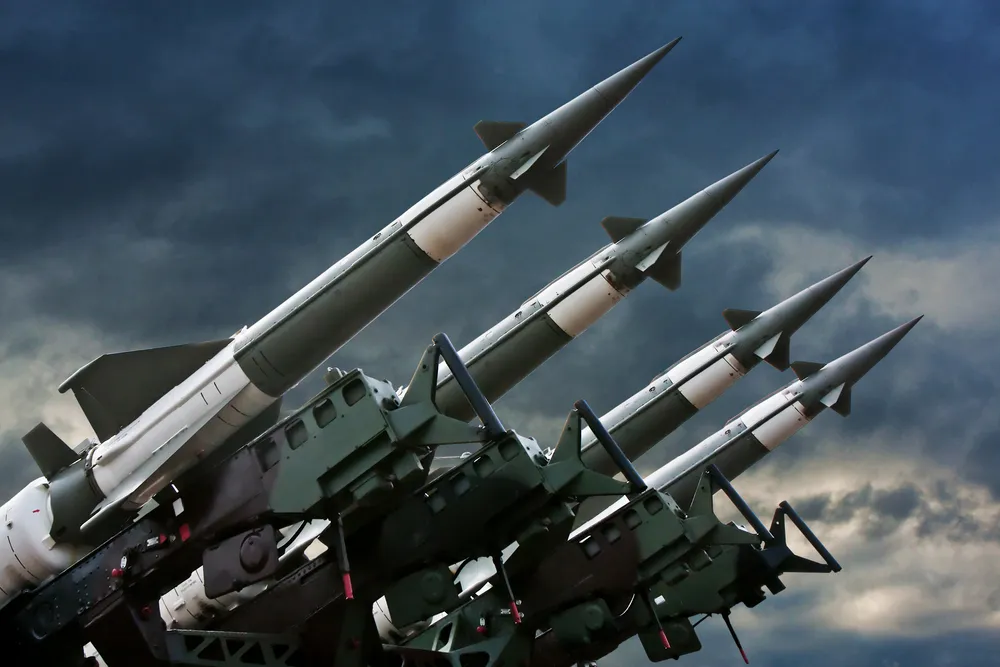
In the world of resilient navigation systems, sensor fusion is an umbrella term that is growing in popularity. It does not refer specifically to GPS or INS systems but rather the amalgamation of all available information to generate the most accurate locational information in all conditions – including GPS-denied environments. To accomplish this, GPS/INS systems utilize a plethora of complex components to provide navigational solutions. In order to better understand how we manufacture our navigation systems, first understand some major components that go into them.
Read More
From airplanes to missiles, resilient navigation systems are enabling companies around the world to reach new heights in autonomy. By utilizing a system comprised of an inertial measurement unit (IMU), a global navigation satellite system receiver, and sensor fusion software, a GPS/INS can precisely calculate position, orientation, and velocity to deliver critical navigation information in environments where GPS is not available, like canyons, mountains, dense forests, and more. Continue reading to learn how your avionics systems can still benefit from exact navigation even in GPS-denied environments.
Read More
What once revolutionized navigation and aviation has now been engrained throughout everyday applications the world over. GPS powers communication, surveillance, and other functions that we rely on to stay safe. However, over the course of the last five years, cases of GPS outages have risen dramatically due to deliberate interference. Continue reading to learn more about what the future of GPS denial has in store for us and why you need resilient systems.
Read More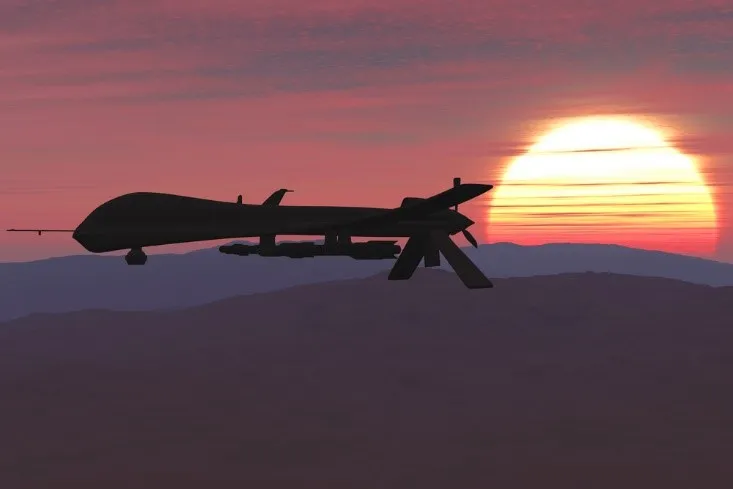
The United States has been using drones since the 1990s to help save lives and aid in several missions. They have recently grown exponentially in popularity with civilians for hobby and recreation purposes, but UAVs also promise much more noteworthy benefits in several industries, including agriculture, transport, and construction. However, UAVs have served to especially revolutionize defense industry operations. These are three of the most common ways for UAVs to provide invaluable insight to the defense industry.
Read More